
Are We Just Playing This... Again?
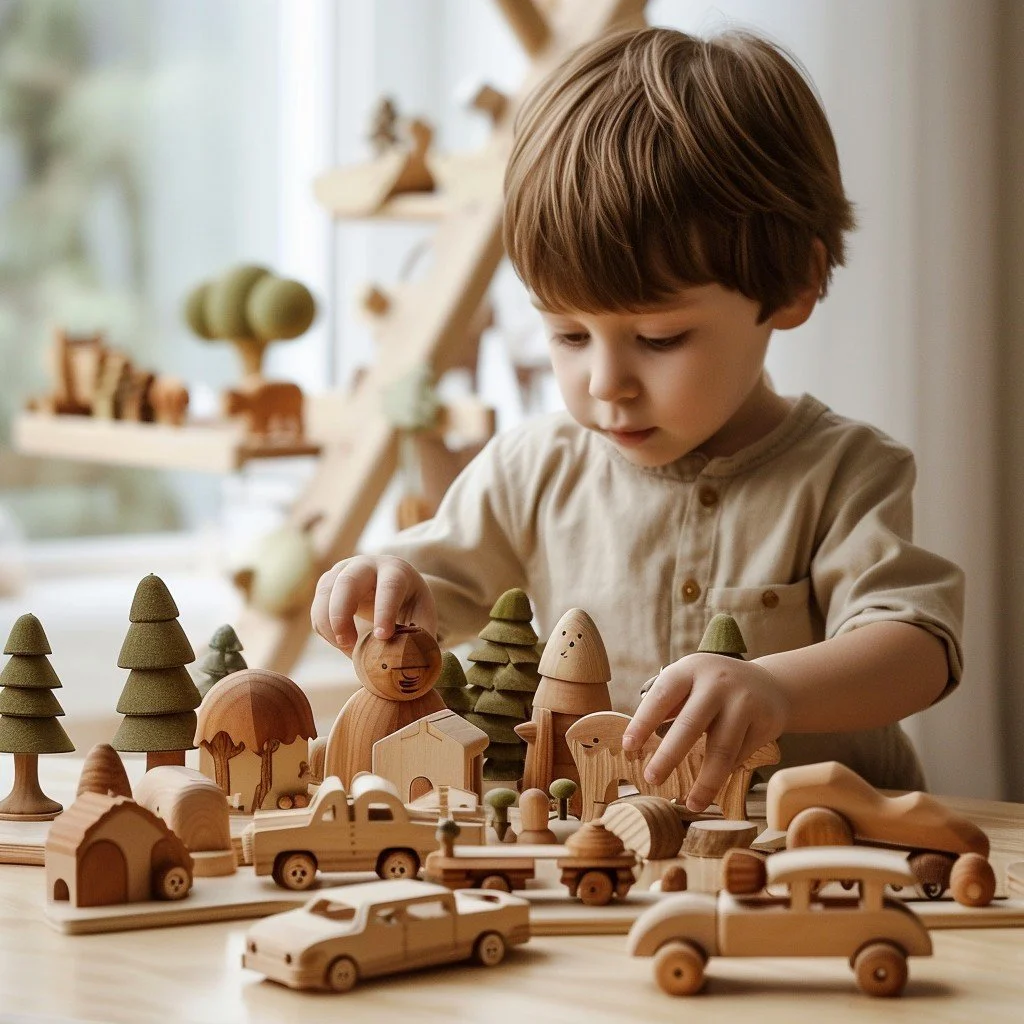
There is a particular kind of repetition that can wear down even the most patient parent.
The same game. The same characters. The same chase. The same rescue.
The same child insisting that we say the line exactly the same way we said it last week.
And sometimes, after the tenth round, we find ourselves wondering:
Are they actually getting anything from this?
Developmentally, the answer is almost always: Yes.
Play is how children experiment, process emotional experiences, and express inner conflicts that often drive the behaviors we see and might not love.
Long before a child can say, I am trying to understand what it feels like to be powerless, they may repeatedly make one character tiny and another enormous.
Before they can explain, I am still trying to make sense of what happened when you left, someone in the game may disappear again and again.
Before they can say, I want to know whether this scary thing can end differently, the monster may return every afternoon.
From the outside, it can look like nothing is changing.
But repetition is not always stasis.
Sometimes a child returns to the same play because they are slowly changing their relationship to the experience inside it.
They can make the danger smaller.
Pause it.
Reverse it.
Become the powerful one.
Change the ending.
Or simply discover that they can return to the same emotionally charged place while another person stays nearby.
And this last part really matters.
Children are not only working things through in the story itself. They are also working things through in relationship.
When we join them, something that once felt confusing, frightening, or overwhelming is no longer being carried alone.
The repetition may also be asking:
Can you come here with me again?
Can this part of me exist between us?
Will you stay with me while I try to understand it?
It's okay if you don't understand every symbol.
Often, your child is already doing the work.
They are returning, revising, testing, and trying again.
Your job may simply be to stay close enough for the experience to become something they do not have to carry alone.